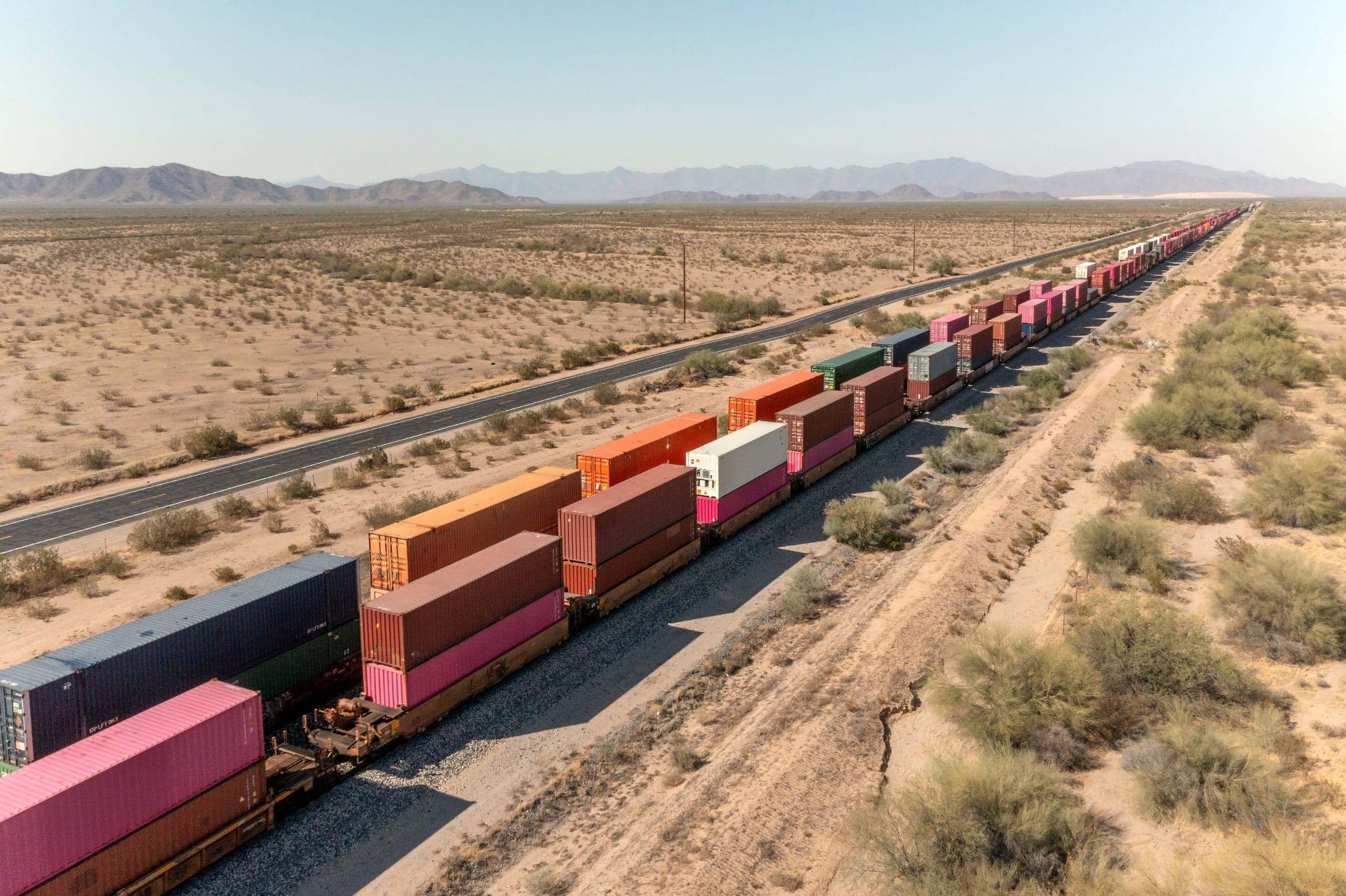
Intermodal
Long-haul freight moved by rail and trucked at each end, for lanes where the rate matters more than a day or two.
When to use it
Use intermodal on long lanes with steady freight and some room in the delivery date. We book the drayage to the ramp, the rail line-haul, and the truck to your receiver as one shipment, and tell you up front how the transit and cost compare with a truck.
- Drayage, rail, and final delivery booked as one shipment
- Transit and cost compared with truckload before you book
- One contact tracking it through both ramps
- Another source of capacity when trucks get tight
- Lower emissions than over-the-road truckload

One shipment, even with three legs
An intermodal load goes truck to ramp, rail to ramp, then truck to your dock. We book all three, and one person tracks the container through each handoff and chases it if it sits at a ramp waiting on a dray.
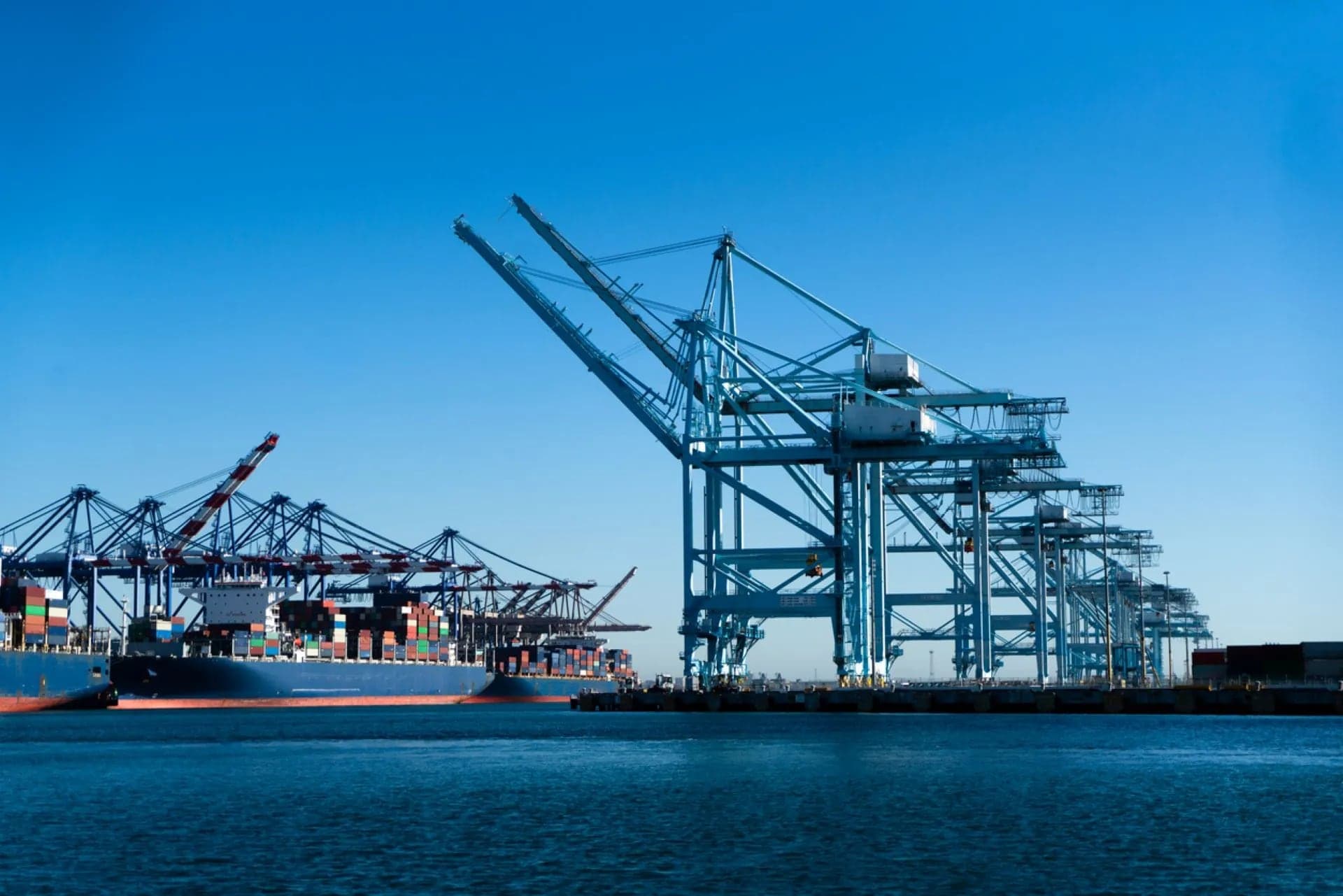
Know the trade-off before you switch
Rail usually adds transit time and can lower the rate on long lanes. We show you both numbers for your lane, truck and intermodal, so you can decide which freight can take the extra days.
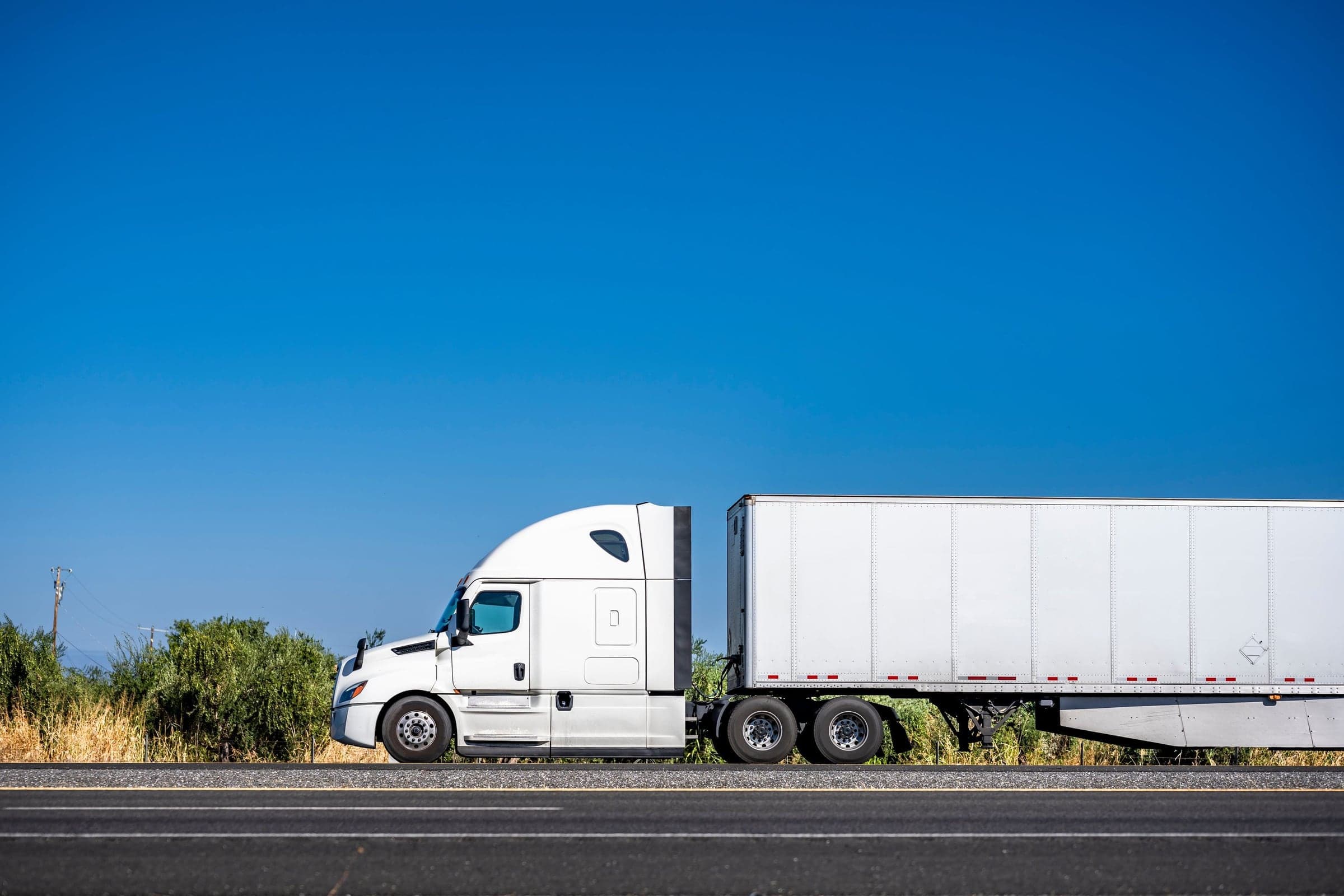
A lower-emission way to move the long haul
Moving the long haul by rail cuts emissions per ton-mile compared with over-the-road truckload. If your team tracks that, we can point out which of your lanes are good candidates.
Other ways we move your freight
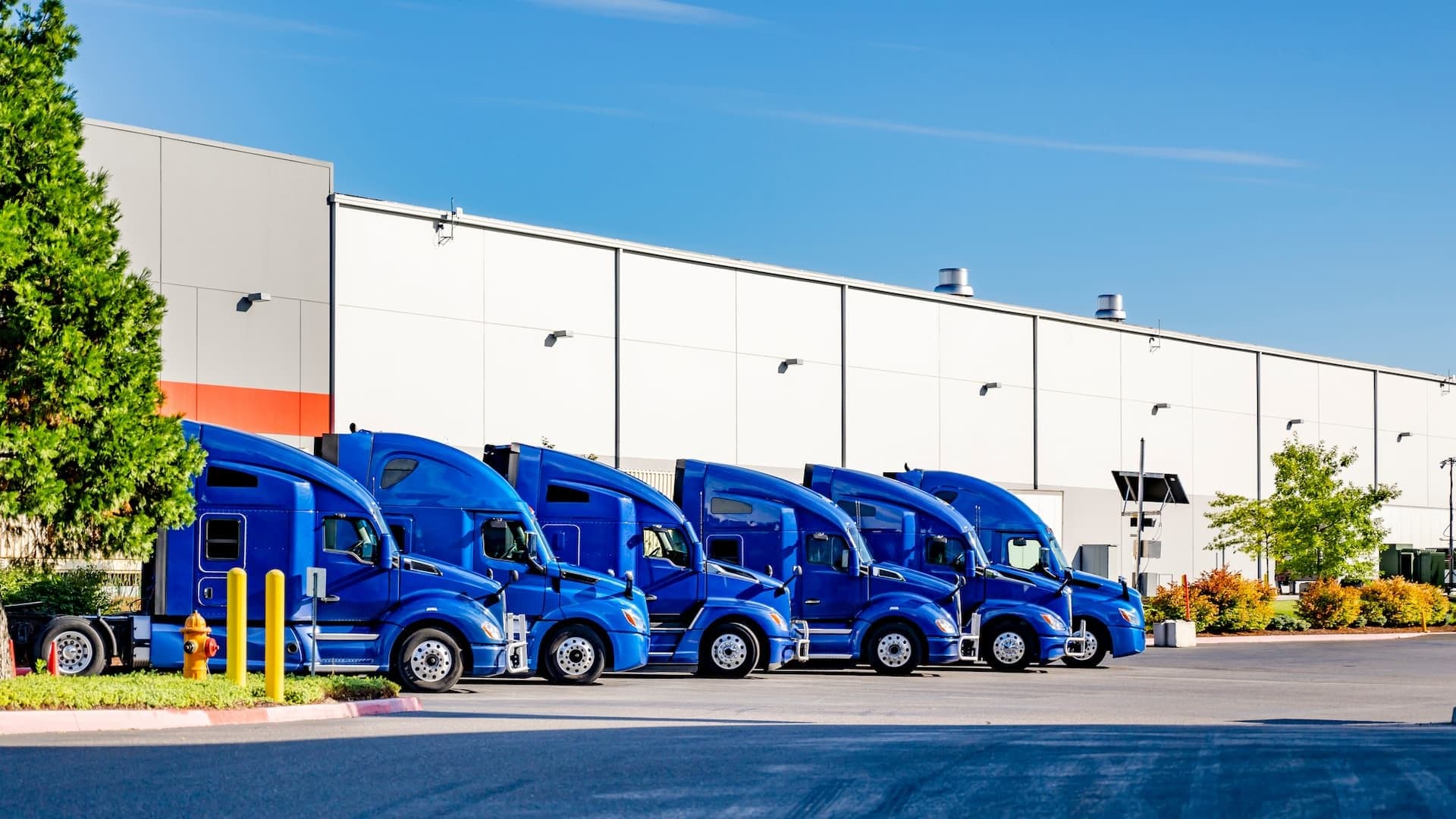
Dedicated fleet
Trucks committed to your busiest lanes by carriers we've checked, so you're not rebidding the same freight every week.

Expedited shipping
Cargo vans, box trucks, and team drivers for freight that has to be there before a standard truck could get it there.
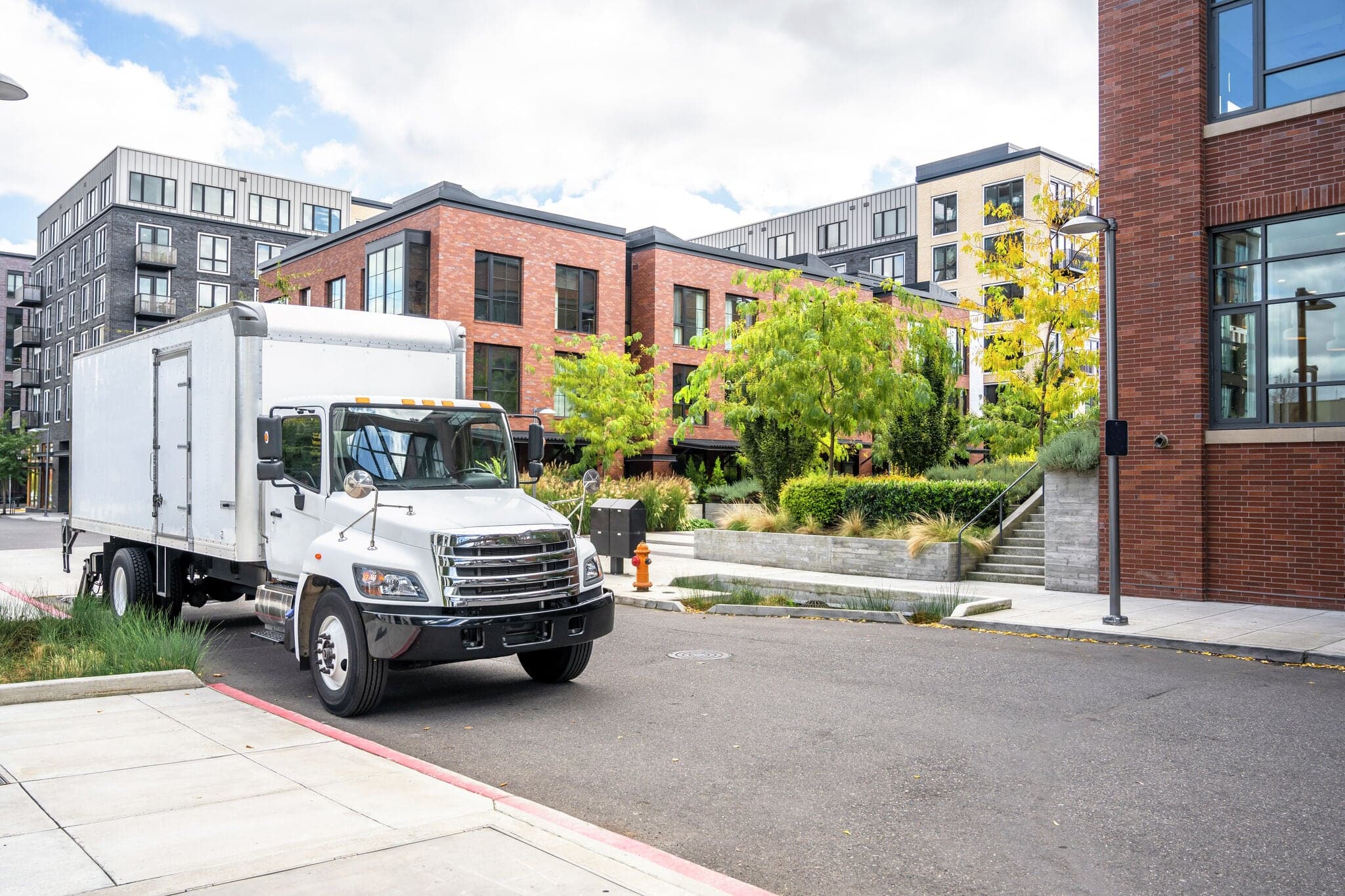
Final mile delivery
The last leg to a home or business, with a delivery window your customer knows about and proof it arrived.
Have a load to cover?
Tell us the lane, the dates, and what you're shipping. The person who quotes it will run it, start to finish.
(800) 908-7366